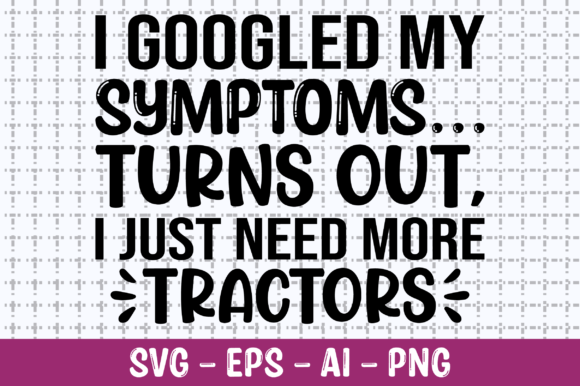
I Googled My Symptoms Turns out SVG
As an embroidery designer and product reviewer, I’ve seen my fair share of digital files. But when I came across I Googled My Symptoms Turns out SVG, I knew it had potential—but also some caveats worth discussing. This design isn’t just a vector file; it’s a concept that could work well in the right context, but only if you understand its strengths and limitations.
The First Impression: A Design with Personality
From the moment I opened I Googled My Symptoms Turns out SVG, I noticed its visual tone. It’s playful, a bit irreverent, and clearly meant for a specific audience. The layout is clean, with a bold statement that invites curiosity. The design isn’t overly detailed, which makes it versatile but also means it relies on strong typography and simple shapes to make an impact.
This kind of design would naturally fit into projects like custom tote bags, sweatshirts, or even baby onesies. It’s the kind of piece that could be used as a statement on a cap or a patch, where the message is more important than intricate patterns.
Real-World Embroidery Performance
When I tested I Googled My Symptoms Turns out SVG on different fabrics, I saw how it performed in real-life situations. On cotton or canvas, the design held up well—especially with a proper stabilizer. But on thinner or stretchy materials, it started to lose definition. That’s something to keep in mind if you’re planning to use it on t-shirts or lightweight apparel.
The design doesn’t have a lot of fine details, which is good news for machine embroidery. It should work with satin stitch or fill stitch without too much trouble. However, if you’re using it as an applique design, you might need to adjust the size to ensure it sits well on the fabric.
Where It Shines: Custom Apparel and Personalized Gifts
I Googled My Symptoms Turns out SVG has a clear place in the world of custom apparel. Whether you’re making a tote bag for a client or adding a unique touch to a sweatshirt, this design can add personality without overwhelming the garment. It’s especially effective on light-colored fabrics where the text stands out.
For handmade products, this design could be a great addition to a boutique line. It’s easy to resize, which is a big plus for small business owners who want to offer multiple sizes or formats. As a printable mockup, it gives customers a clear idea of what they’ll get before purchasing.
Where to Be Cautious: Fabric and Stitch Considerations
While I Googled My Symptoms Turns out SVG works well on many surfaces, there are a few areas where caution is needed. If you’re planning to use it on a small hoop, you might need to simplify the design or break it into parts. Thin or textured fabrics could cause the stitches to look uneven, so testing on scrap material is always a good idea.
On dark fabrics, the design might not show up as clearly unless you use a contrasting thread color. That’s something to consider if you’re selling it as a digital product or offering it for personal use. Also, if the design includes tiny lettering or intricate corners, you’ll want to check how it translates to embroidery stitch density.
Impact on Visual Appeal and Customer Perception
One of the things I appreciate about I Googled My Symptoms Turns out SVG is how it adds value to a finished product. It’s not just a design—it’s a conversation starter. Customers often respond positively to unique, personalized touches, and this design has that quality. It can elevate a basic item into something memorable.
For Etsy sellers and craft business owners, this design offers a way to stand out. It’s simple enough to be used in a variety of projects but still has enough character to feel special. When paired with the right fabric and stitching, it can create a professional-looking handmade product that resonates with buyers.
Practical Designer Notes: What to Check Before Using
Before jumping into using I Googled My Symptoms Turns out SVG, here are a few practical steps I recommend:
- Test the design on scrap fabric to see how it looks in real life.
- Check thread color contrast, especially on dark or light backgrounds.
- Review the stitch density to ensure it won’t cause puckering or distortion.
- Confirm the hoop size required for your embroidery machine.
- Inspect small details like lettering and corners for clarity.
- Try it in black and white mockups to see how it reads without color.
- Use the right stabilizer for the fabric type to prevent shifting.
- Verify that the design is suitable for both personal and commercial use.
- Check the licensing terms before selling finished items or digital products.
Final Thoughts: A Design That Needs the Right Context
I Googled My Symptoms Turns out SVG isn’t a one-size-fits-all design, but it has a clear purpose. It’s best suited for projects where the message matters, and the visual style aligns with the target audience. For embroidery designers, crafters, and small business owners, it’s a useful asset when used correctly.
If you’re looking for a design that can be resized, easily adapted, and used across different mediums, this one has potential. Just remember to test it thoroughly and consider the fabric, stitch type, and final application before committing to a project.
Ultimately, I Googled My Symptoms Turns out SVG is a reminder that not every design is perfect for every use. But with the right approach, it can become a valuable part of your embroidery project toolkit.